Most popularABS
Acrylonitrile butadiene styrene (ABS+)
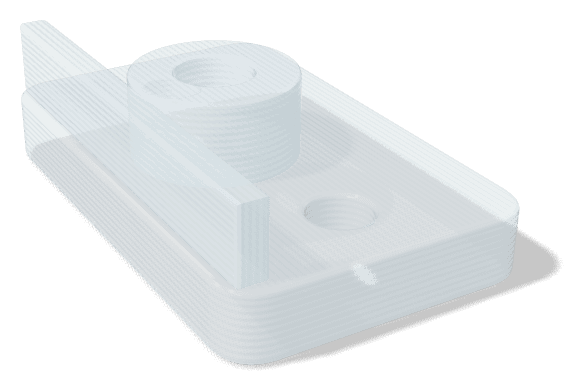
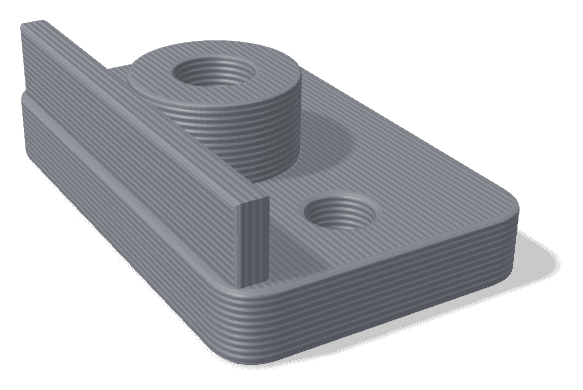
ABS is strong, durable and scratch resistant. These properties make it a popular choice for both prototypes and end products in automotive parts, electronic housings and consumer goods.
Material comparison
A tough engineering plastic that resists impact and heat. For parts that need high temperature and impact resistance. So which one is right for your project? Compare the values, strengths and weaknesses side by side.
Most popularAcrylonitrile butadiene styrene (ABS+)
ABS is strong, durable and scratch resistant. These properties make it a popular choice for both prototypes and end products in automotive parts, electronic housings and consumer goods.

Engineering polycarbonate (ePC)
Polycarbonate is a durable, hard and thermally stable plastic. ePC is a 3D-printable form of engineering polycarbonate, preferred for mechanical parts, functional prototypes and industrial applications.
Values
| Property | ABS | PC |
|---|---|---|
| Density | 1.06 g/cm³ | 1.12 g/cm³ |
| Tensile strength | 40 MPa | 55 MPa |
| Elongation at break | 30 % | 150 % |
| Modulus (stiffness) | 1.2 GPa | 1.07 GPa |
| Heat deflection (0.45 MPa) | 73 °C | 80 °C |
Decision
Good to know
PC has higher tensile strength: 54.88 MPa, versus 40 MPa for ABS.
PC is more heat resistant: 80 °C, versus 73 °C for ABS.
ABS is usually easier to produce; it needs less special equipment and tuning.
In general, ABS is more economical. The exact price is set in the quotation based on part size, quantity and technology.
Tell us the operating conditions; let's decide together which of the two fits, or find a better alternative.