Materials library
3D printing materials in one place
55 materials, 7 production methods. From filament to resin, from nylon powder to titanium; with technical data, advantages, limitations and applications.
FDM · Filaments (23)
Materials printed by depositing molten thermoplastic filament layer by layer. The widest range, from economical prototypes to industrial parts in carbon fiber reinforced nylon.
- Most popular
PLA
Polylactic acid (PLA+)
 Most popular
PETG
Polyethylene terephthalate glycol
PET
Polyethylene terephthalate filament
 Most popular
ABS
Acrylonitrile butadiene styrene (ABS+)
 Most popular
ASA
Acrylonitrile styrene acrylate
 Most popular
TPU 95A
Thermoplastic polyurethane
Nylon (PA6 / PA12)
Polyamide filament
PA-CF
Carbon fiber reinforced nylon (PA6-CF / PA12-CF)
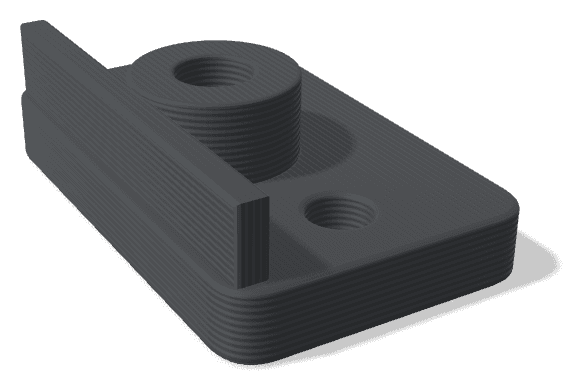
PLA / PETG (CF · GF)
Carbon fiber and glass fiber reinforced PLA / PETG
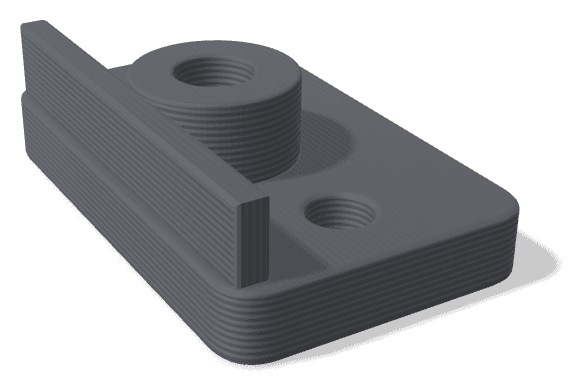
ABS (CF · GF)
Carbon fiber and glass fiber reinforced ABS
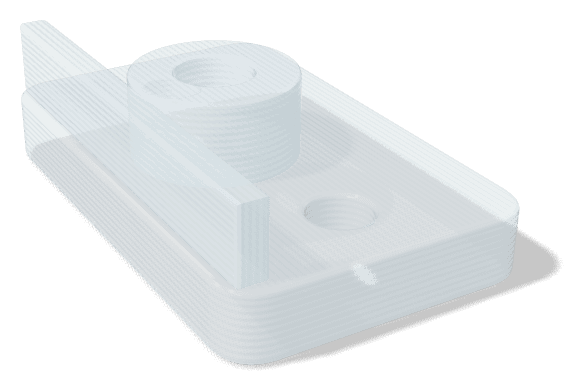
PC
Engineering polycarbonate (ePC)
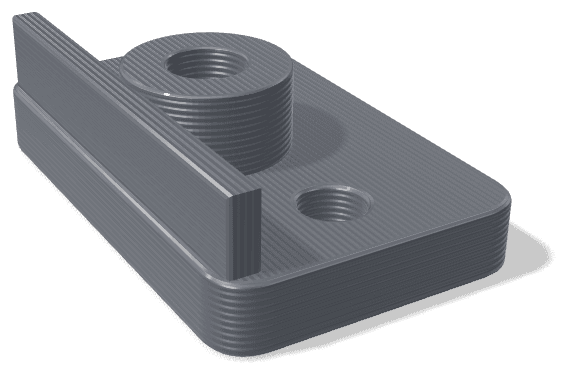
PC-ABS
Polycarbonate / ABS blend
PP
Polypropylene filament
Wood-filled PLA
PLA filled with wood powder
HIPS
High impact polystyrene
PVA
Polyvinyl alcohol (water-soluble support)
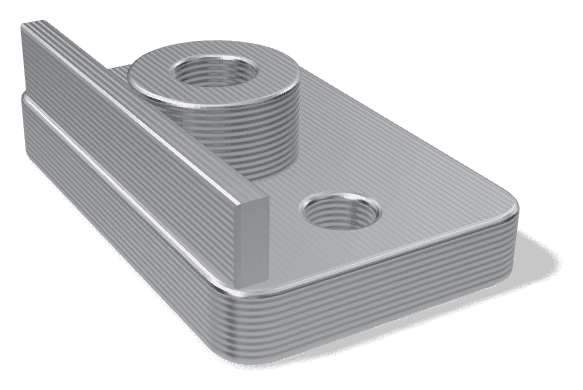
Stainless Steel
BASF Ultrafuse® 316L metal composite filament
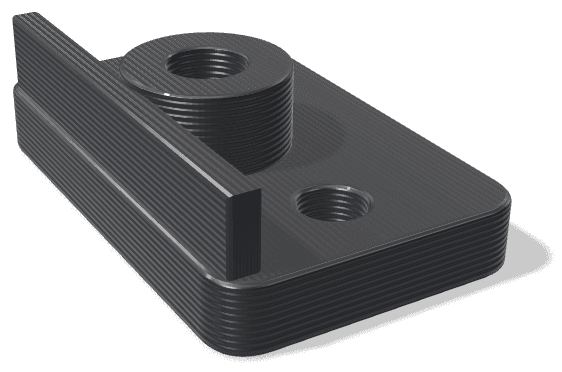
PPA-CF
Carbon fiber reinforced polyphthalamide
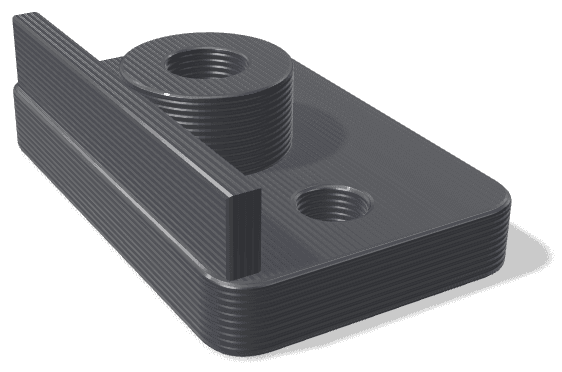
PPS-CF
Carbon fiber reinforced polyphenylene sulfide
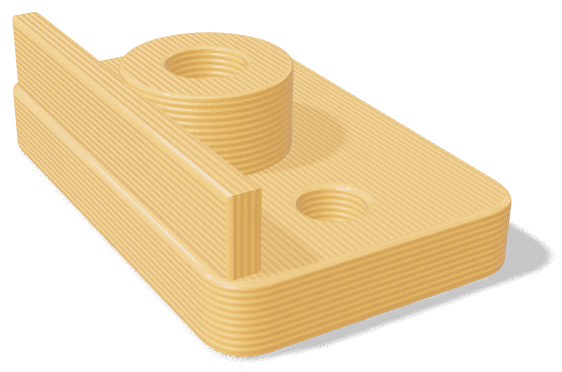
ULTEM™ 9085
PEI (polyetherimide) / PC copolymer
ULTEM™ 1010
PEI (polyetherimide)
PEKK
Polyetherketoneketone
PEEK
Polyether ether ketone
SLA / DLP · Resins (8)
Light-cured photopolymer resins. Very fine detail, smooth surfaces and special uses such as clear, flexible, castable and dental.
Standard resin
General-purpose SLA photopolymer
Tough resin (ABS-like)
Impact-resistant engineering resin
Clear resin
SLA resin with optical clarity
Water-resistant clear resin
ABS / PBT-like clear SLA resin (Somos® WaterShed® XC 11122 type)
Flexible / elastic resin
Rubber-like SLA resin (50A – 80A)
High-temperature resin
Heat-resistant SLA resin
Castable resin
Lost-wax casting resin (castable)
Dental resins
Model, splint and surgical guide resins for dentistry
SLS / MJF · Powder polymers (7)
Nylons and elastomers fused in a powder bed by laser or heat. Durable functional parts with no support structures.
PA12 (Nylon 12)
Polyamide 12 powder (SLS / MJF)
PA11 (Nylon 11)
Bio-based polyamide 11 powder
PA12 GB (glass beads)
Glass bead filled PA12
PA12 CF
Carbon fiber reinforced PA12 (SLS)
PA12 full color (MJF)
Full-color PA12 (HP Multi Jet Fusion color systems)
TPU / TPE (SLS / MJF)
Thermoplastic polyurethane and elastomer powders
PP (MJF / SAF)
Polypropylene powder
Material Jetting (PolyJet / MJP) · Photopolymers (3)
Full-color, multi-material and high-detail photopolymers printed by jetting droplets. For realistic visual prototypes.
Metal LPBF · Metal powders (5)
Metal powders fully melted by laser. Complex metal parts with strength close to cast and wrought metal.
Lost-wax casting · Precious metals (6)
Metals cast in plaster molds from castable models printed with SLA. Jewelry and small precision parts.
CNC · Materials for comparison (3)
Materials commonly used in machining; for comparison with 3D printing options.
Selection guide
Which material for which need?
Find the conditions your part will work in and browse the recommended materials. If you are not sure, send us your file and our engineers will choose with you.
| Need | Recommended materials |
|---|---|
| Economical visual prototype | |
| Everyday use, functional part | |
| Outdoors, sun and UV | |
| Heat resistant (above 100 °C) | |
| Flexible, rubber-like | |
| Rigid, lightweight structural part | |
| Contact with chemicals, oil and fuel | |
| Fine detail and smooth surface | |
| Transparent part | |
| Metal part | |
| Jewelry and precision casting | |
| Flame retardant |
Comparisons
Popular material comparisons
- PLA vs PETG
- PLA vs ABS
- PETG vs ABS
- ABS vs ASA
- PETG vs ASA
- PLA vs TPU 95A
- ABS vs PC
- PC vs PEEK
- PEEK vs PEKK
- Nylon (PA6 / PA12) vs PA-CF
- PA12 (Nylon 12) vs PA11 (Nylon 11)
- PLA vs Standard resin
- TPU 95A vs TPU / TPE (SLS / MJF)
- ULTEM™ 9085 vs ULTEM™ 1010
- Stainless steel 316L vs Stainless Steel
- Titanium Ti6Al4V vs Aluminum AlSi10Mg
Technologies
Materials are chosen together with the method
The same material gives different results in different technologies. See how each method works, its tolerances and design guidelines.
- Material extrusionFDMThe world's most common 3D printing technology, building parts by depositing molten thermoplastic filament layer by layer through a nozzle.
- Vat photopolymerizationSLACures light-sensitive liquid resin layer by layer with a laser to produce very finely detailed, smooth parts.
- Vat photopolymerizationDLP / LCDResin printing methods that cure an entire layer at once with light; faster than SLA.
- Powder bed fusionSLSA technology that fuses nylon powder layer by layer with a laser, producing durable functional parts without supports.
- Powder bed fusionMJFA fast, accurate powder bed technology that fuses powder with jetted agents and heating lamps instead of a laser.
- Material jettingPolyJetA technology that jets photopolymer droplets from inkjet heads and cures them instantly; capable of full-color and multi-material printing.
- Powder bed fusionSLM / DMLSA technology that fully melts metal powder with a high-power laser to produce dense, strong and complex metal parts.
- Hybrid (3D printing + casting)Lost-Wax CastingJewelry and precision metal parts made by burning out a pattern printed in castable resin or wax inside a plaster mold and pouring metal in its place.
- Subtractive manufacturingCNCThe traditional method of making parts by removing material from a block with cutting tools; included for comparison with 3D printing.
Good to know
Frequently asked questions
What is the most commonly used 3D printing material?
In FDM, the most common material is PLA; it is economical, easy to print and ideal for visual prototypes. PETG and ABS are most popular for functional parts, and PA12 (nylon) in powder bed technologies.
Which 3D printing material is heat resistant?
Among polymers, heat resistance increases roughly from PLA to PETG, ABS/ASA, PC, carbon-reinforced nylons and the PEEK/PEKK/ULTEM family. For applications above 100 °C, PC, PA-CF, PPA-CF and PPS-CF are good starting points; at very high temperatures the PEEK/ULTEM family or metals come into play.
Which filament should be used outdoors?
ASA is the best filament for parts exposed to sun and weather; it keeps its color and strength under UV light. PETG also works for short and medium-term outdoor use.
Which material should be chosen for flexible parts?
TPU in FDM, TPU and PA11 in powder bed, and flexible/elastic resins in resin printing produce rubber-like parts. Hardness is expressed as Shore A; the lower the value, the softer the material.
Can 3D printing produce food-contact parts?
Some materials (such as PETG, PP and ULTEM 1010) have food-contact certified grades. However, since bacteria can build up on layered surfaces, the printing method, surface coating and cleaning conditions must be considered along with the material.
Can metal parts be made with a 3D printer?
Yes. Stainless steel, titanium, aluminum and superalloy parts can be printed with metal LPBF (SLM/DMLS). TAİ Robotik also takes on the printing stage of stainless steel parts via FDM with BASF Ultrafuse 316L filament.
Which materials does TAİ Robotik work with?
We produce with PLA, PETG, ABS, ASA, TPU 95A, Nylon (PA6 / PA12), PA-CF, PLA / PETG (CF · GF), ABS (CF · GF), PC, PC-ABS, PVA, PPA-CF, PPS-CF, Standard resin. For the other materials in the library, we can determine the right production route for your project together.
Not sure about the material?
Tell us where and how your part will work; let's choose the right material and method together.