Most popularTPU 95A
Thermoplastic polyurethane
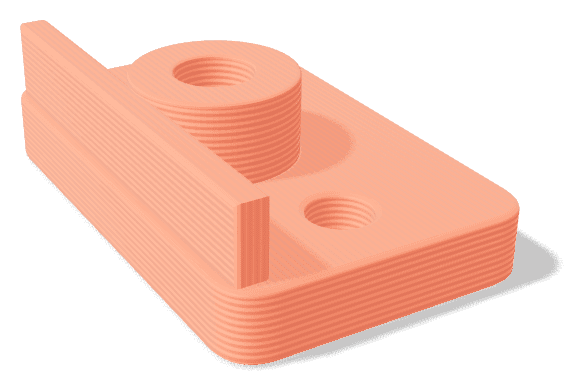
TPU 95A is a medium-hard flexible material with a hardness of 95 Shore A. It is used in parts that need flexibility and shock absorption, for both prototypes and end products of rubber-like items.
Material comparison
Flexible, elastic and shock absorbing; for rubber-like parts. Support-free flexible parts and lattices; insoles, gaskets, protection. So which one is right for your project? Compare the values, strengths and weaknesses side by side.
Most popularThermoplastic polyurethane
TPU 95A is a medium-hard flexible material with a hardness of 95 Shore A. It is used in parts that need flexibility and shock absorption, for both prototypes and end products of rubber-like items.
Thermoplastic polyurethane and elastomer powders
TPU printed in a powder bed allows far more complex flexible geometries than FDM TPU. Midsoles, protective pads and shock-absorbing lattice structures are typical applications.
Values
| Property | TPU 95A | TPU / TPE (SLS / MJF) |
|---|---|---|
| Density | 1.21 g/cm³ | 1.1 g/cm³ |
| Tensile strength | 35 MPa | 9 MPa |
| Elongation at break | 800 % | 280 % |
| Modulus (stiffness) | — | 0.08 GPa |
| Heat deflection (0.45 MPa) | — | — |
Decision
Good to know
TPU 95A has higher tensile strength: 35 MPa, versus 9 MPa for TPU / TPE (SLS / MJF).
TPU 95A stretches further before breaking: 800 %, versus 280 % for TPU / TPE (SLS / MJF).
TPU / TPE (SLS / MJF) is usually easier to produce; it needs less special equipment and tuning.
In general, TPU 95A is more economical. The exact price is set in the quotation based on part size, quantity and technology.
Tell us the operating conditions; let's decide together which of the two fits, or find a better alternative.