Most popularPLA
Polylactic acid (PLA+)
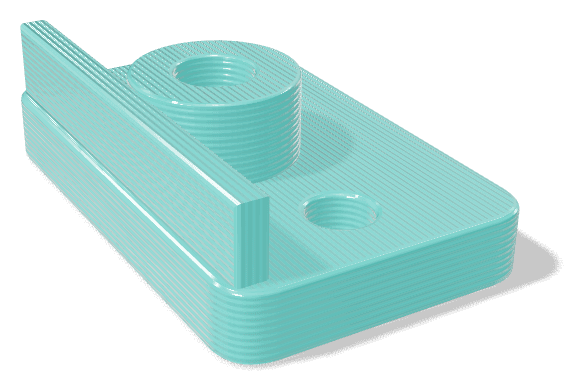
PLA is an organic biopolymer made from corn starch and sugarcane. It is one of the lowest-cost filaments, prints easily and gives a glossier surface than ABS. It is a safe choice for many projects.
Material comparison
The most common, most affordable and easiest filament to print. Durable, resistant to chemicals and water; ideal for everyday use. So which one is right for your project? Compare the values, strengths and weaknesses side by side.
Most popularPolylactic acid (PLA+)
PLA is an organic biopolymer made from corn starch and sugarcane. It is one of the lowest-cost filaments, prints easily and gives a glossier surface than ABS. It is a safe choice for many projects.
Most popularPolyethylene terephthalate glycol
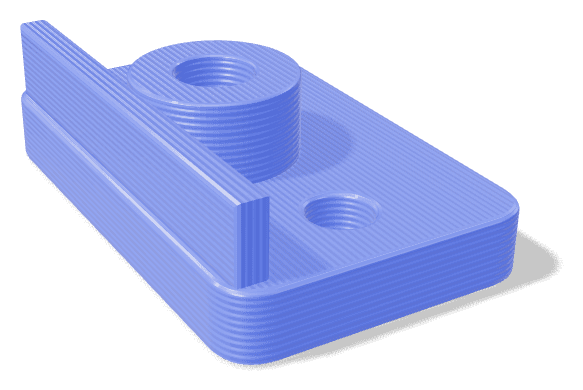
PETG is made from heat-treated PET plastic. It is known for its durability, transparency, impact and chemical resistance. Thanks to its scratch resistance, it is one of the most balanced choices for functional parts.
Values
| Property | PLA | PETG |
|---|---|---|
| Density | 1.23 g/cm³ | 1.27 g/cm³ |
| Tensile strength | 63 MPa | 52 MPa |
| Elongation at break | 20 % | 83 % |
| Modulus (stiffness) | 1.97 GPa | 1.07 GPa |
| Heat deflection (0.45 MPa) | 53 °C | 64 °C |
Decision
Good to know
PLA has higher tensile strength: 63 MPa, versus 52.2 MPa for PETG.
PETG is more heat resistant: 64 °C, versus 53 °C for PLA.
Both materials are similarly easy to produce.
Price levels are similar; the exact price depends on the part and quantity.
Tell us the operating conditions; let's decide together which of the two fits, or find a better alternative.