Most popularPLA
Polylactic acid (PLA+)
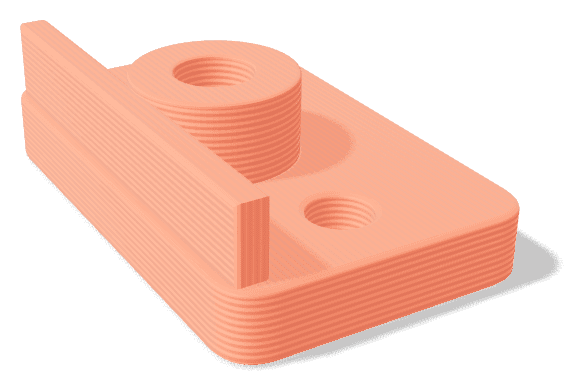
PLA is an organic biopolymer made from corn starch and sugarcane. It is one of the lowest-cost filaments, prints easily and gives a glossier surface than ABS. It is a safe choice for many projects.
Material comparison
The most common, most affordable and easiest filament to print. Flexible, elastic and shock absorbing; for rubber-like parts. So which one is right for your project? Compare the values, strengths and weaknesses side by side.
Most popularPolylactic acid (PLA+)
PLA is an organic biopolymer made from corn starch and sugarcane. It is one of the lowest-cost filaments, prints easily and gives a glossier surface than ABS. It is a safe choice for many projects.
Most popularThermoplastic polyurethane
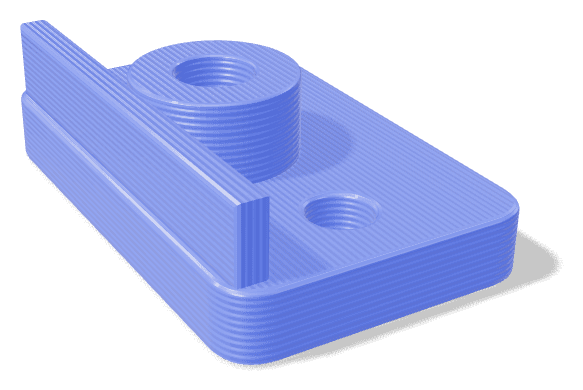
TPU 95A is a medium-hard flexible material with a hardness of 95 Shore A. It is used in parts that need flexibility and shock absorption, for both prototypes and end products of rubber-like items.
Values
| Property | PLA | TPU 95A |
|---|---|---|
| Density | 1.23 g/cm³ | 1.21 g/cm³ |
| Tensile strength | 63 MPa | 35 MPa |
| Elongation at break | 20 % | 800 % |
| Modulus (stiffness) | 1.97 GPa | — |
| Heat deflection (0.45 MPa) | 53 °C | — |
Decision
Good to know
PLA has higher tensile strength: 63 MPa, versus 35 MPa for TPU 95A.
TPU 95A stretches further before breaking: 800 %, versus 20 % for PLA.
PLA is usually easier to produce; it needs less special equipment and tuning.
In general, PLA is more economical. The exact price is set in the quotation based on part size, quantity and technology.
Tell us the operating conditions; let's decide together which of the two fits, or find a better alternative.