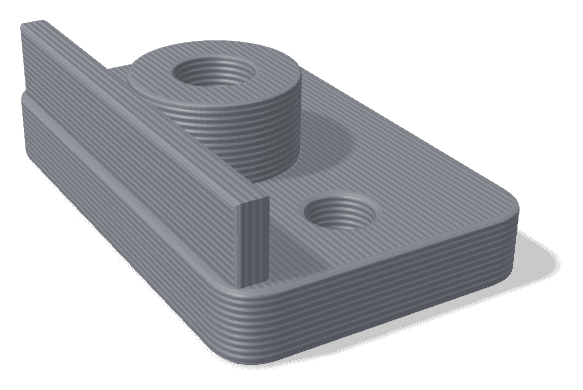
Most popularPLA
Polylactic acid (PLA+)
PLA is an organic biopolymer made from corn starch and sugarcane. It is one of the lowest-cost filaments, prints easily and gives a glossier surface than ABS. It is a safe choice for many projects.
Material comparison
The most common, most affordable and easiest filament to print. A tough engineering plastic that resists impact and heat. So which one is right for your project? Compare the values, strengths and weaknesses side by side.
Most popularPolylactic acid (PLA+)
PLA is an organic biopolymer made from corn starch and sugarcane. It is one of the lowest-cost filaments, prints easily and gives a glossier surface than ABS. It is a safe choice for many projects.
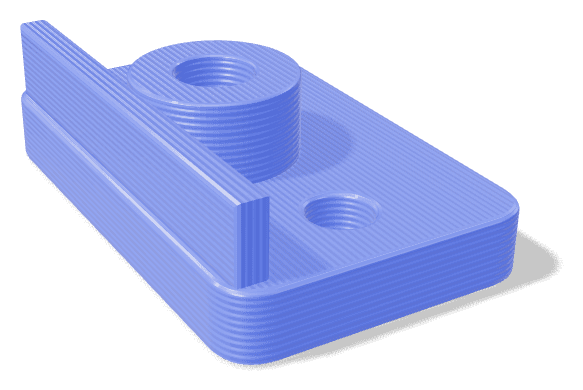
Most popularAcrylonitrile butadiene styrene (ABS+)
ABS is strong, durable and scratch resistant. These properties make it a popular choice for both prototypes and end products in automotive parts, electronic housings and consumer goods.
Values
| Property | PLA | ABS |
|---|---|---|
| Density | 1.23 g/cm³ | 1.06 g/cm³ |
| Tensile strength | 63 MPa | 40 MPa |
| Elongation at break | 20 % | 30 % |
| Modulus (stiffness) | 1.97 GPa | 1.2 GPa |
| Heat deflection (0.45 MPa) | 53 °C | 73 °C |
Decision
Good to know
PLA has higher tensile strength: 63 MPa, versus 40 MPa for ABS.
ABS is more heat resistant: 73 °C, versus 53 °C for PLA.
PLA is usually easier to produce; it needs less special equipment and tuning.
Price levels are similar; the exact price depends on the part and quantity.
Tell us the operating conditions; let's decide together which of the two fits, or find a better alternative.